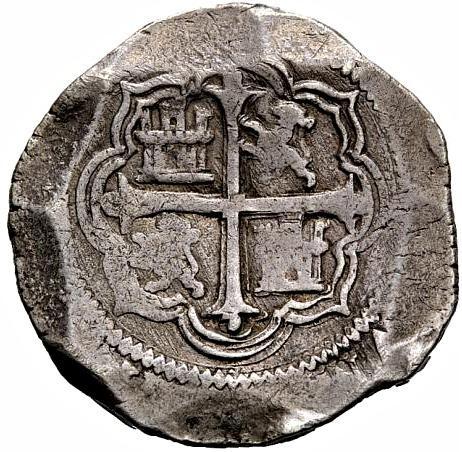
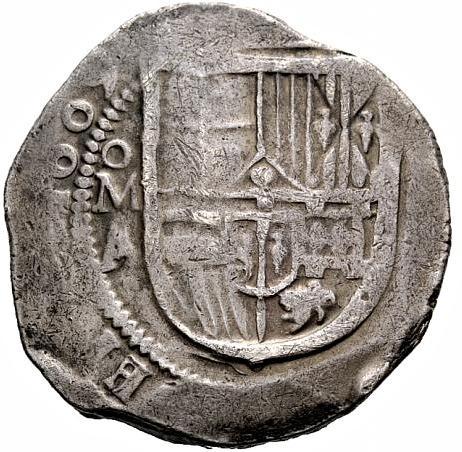
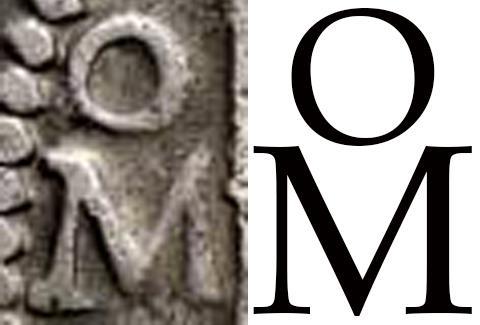
There are many unusual names for money in the world. Some are more common and some are generally out of use. Among those there is an interesting word "macuquin." At first glance, it is not associated with money at all. Translated from Arabic, macuquin means "wrong". This name applied to silver coins in denominations of 1, 2, 4, 8 reals which were issued under control of the Spaniards in South America from the XVI and right up to the 30s of the XVIII centuries and had a relatively uneven and irregular shape compared to a regular round coin. The weight of the South American macuquin was equal to the European thaler - about 29 g of silver. According to one version, the uneven shape of the macuquins was obtained due to the fact that they were minted directly in the mines from newly mined silver and immediately sent to the royal authorities in Spain. That's how they were coming to Western Europe. Interesting that from there the strange macuquins spread further, even to the territory of Eastern Europe, where they are rarely found in treasures. According to one version, the Mint mark in Mexico City (Mexico) in the form of the letter "M", borrowed from the Mexican Makukins, served as a prototype of the Moscow Mint mark.