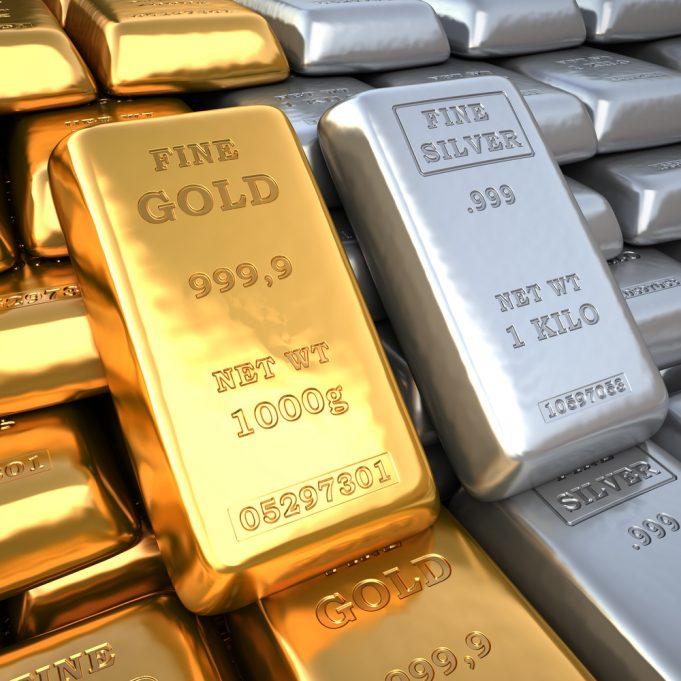
Today we are accustomed to thinking of gold or silver as something extraordinarily valuable and expensive, but this was not always the case. The first people to discover gold and silver had no idea what to do with them. The tools came out too fragile and unusable, weapons or armor even worse. Such ammunition rather played into the hands of enemies than their owner. They could not be used as currency either, since barter economic ties or, more simply, "natural exchange" were developed in society. In this system, useless metals were completely uncompetitive compared to food, services, cloth, and others.
However, it was a quick use for them. Such a pliable metal in processing turned out to be a godsend for the manufacture of jewelry and other delicate items. While dense materials could not take the desired shape and be neat enough, and softer raw materials were not able to keep their shape, they were replaced by silver and gold, which met all the criteria of the masters and had a pleasant appearance.Over time, the barter system ceased to meet the needs of the people. It became necessary to find a "mediator" in economic relations between people. Something compact enough for wearing comfort and not breaking the economy. Of course, in history we can find a large number of different answers to the question of what it could be: after all, many states have tried their own version. However, over time, a single value system has developed.
Jewelry has always been a part of some status and a way to stand out, from which the material for their manufacture was considered as money. Silver and gold also met all of the above needs. It was easy to melt them and put a sign of authenticity. These marks gave weight to the money. It was the word of the authorities that it guarantees the value of these objects (coins) and made them valuable, which means that they had the right to become intermediaries in barter relations between people.